
You're spending real money on Google, Facebook, maybe a website refresh - and the phone still isn't ringing the way it used to. You're not crazy, and you're not alone. The economics of HVAC marketing have shifted hard in the last 24 months, and most contractors are still running 2019 playbooks against 2026 buyers.
Here's what's actually broken, and what to do about it.
1. You're being outbid by private equity-backed shops
Private equity has rolled up thousands of HVAC and plumbing companies since 2021. Those rolled-up brands have central marketing teams, six-figure ad budgets, and the ability to lose money on a single job to win lifetime customer value. If you're competing in a metro with two or three of these consolidators, your $40 CPC just became $90 - and your old conversion math doesn't pencil anymore.
Fix: Stop competing where they're strongest (broad "AC repair" keywords) and dominate where they're weakest - neighborhood-level service area pages, specific unit brands ("Carrier Infinity repair Austin"), and Google Local Services Ads where Google Guaranteed status matters more than ad spend.
2. Your website is a brochure, not a conversion machine
Most contractor websites look fine. They also convert at under 2%. The buyer's flow on a hot July afternoon is: search → tap top 3 results → call whichever one loads fast and shows a phone number, reviews, and "same-day service" above the fold. If your site doesn't pass that test in five seconds on a phone, you lose.
Quick audit - open your site on your phone right now and ask:
- Is the phone number tappable above the fold?
- Does it load in under 2 seconds on LTE?
- Is there a "Book Online" or "Get a Quote" button I can tap with my thumb?
- Are the top 3 trust signals (Google rating, years in business, service guarantee) visible without scrolling?
If you said no to any of these, your problem isn't traffic - it's leakage.
3. You're tracking the wrong number
Cost per click is a vanity metric. Cost per lead is closer. Cost per booked, completed job is the only one that matters. Most contractors don't connect their CRM or dispatch board to their ad platforms, so they have no idea which campaigns produce real revenue and which produce tire-kickers.
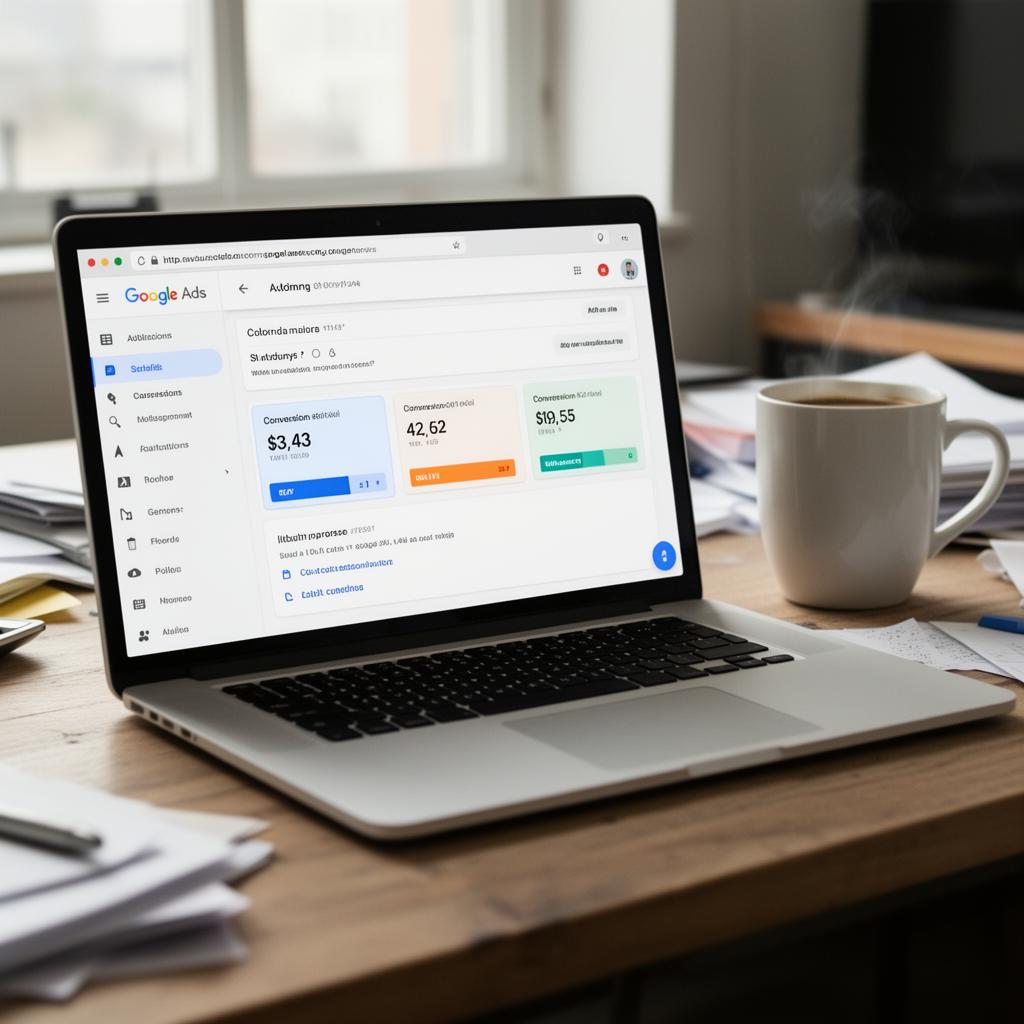
When you start tracking revenue per channel instead of leads per channel, the picture often flips: the campaign you thought was your winner is actually feeding you $89 service calls, while the "expensive" campaign you almost killed is producing $14,000 system replacements.
For benchmarks on what healthy numbers actually look like, see our breakdown on cost per lead for HVAC and plumbing.
4. You're invisible on Google Maps
Roughly 60% of "AC repair near me" searches never leave the map pack. If you're not in the top three local results, you don't exist to most of your market. Maps ranking is driven by three things, in order:
- Proximity to the searcher - you can't control this much
- Review volume and velocity - you can absolutely control this
- Profile completeness and category accuracy - free, takes an hour
Most contractors have 40 reviews from 2018 and an outdated business description. The shop that's eating your lunch has 380 reviews, three new ones this week, photos uploaded monthly, and every service category checked. Guess who Google trusts more.
5. You're treating marketing as a faucet, not a flywheel
The biggest mistake: turning ads off in the slow season to "save money," then turning them back on in May and wondering why leads are slow until July. Google's algorithms reward consistent spend and consistent conversion data. Pause for two months and you reset the learning, lose your quality score, and pay 30% more to climb back up when you restart.
The fix is counter-intuitive: spend less per month, more consistently, instead of binge-and-purge cycles tied to the weather. Lower your monthly budget if you must, but don't go dark. (For what to actually do in the slow months, see how to get HVAC leads in the slow season.)
The honest summary
Most of the time, "HVAC marketing isn't working" doesn't mean the ads are broken. It means:
- The ad traffic is fine, but the website leaks
- The website is fine, but the call handling drops 30% of inbound calls
- The calls are answered, but the booking conversation loses the deal
- The booking happens, but the review request never goes out - so the next customer never finds you
Marketing is a chain. The weakest link defines the result, and it's almost never the link contractors blame first.
If you want a second set of eyes on which link is actually breaking in your business, that's what we do - book a 45-minute teardown call and we'll show you on a screen share.