
Demand Engine
PPC and Google Search Ads

Show up the second they search for you.

We buy the exact searches that turn into booked jobs, and block the ones that just burn money.

Book a discovery callFree 30-min call. A clear next step either way.
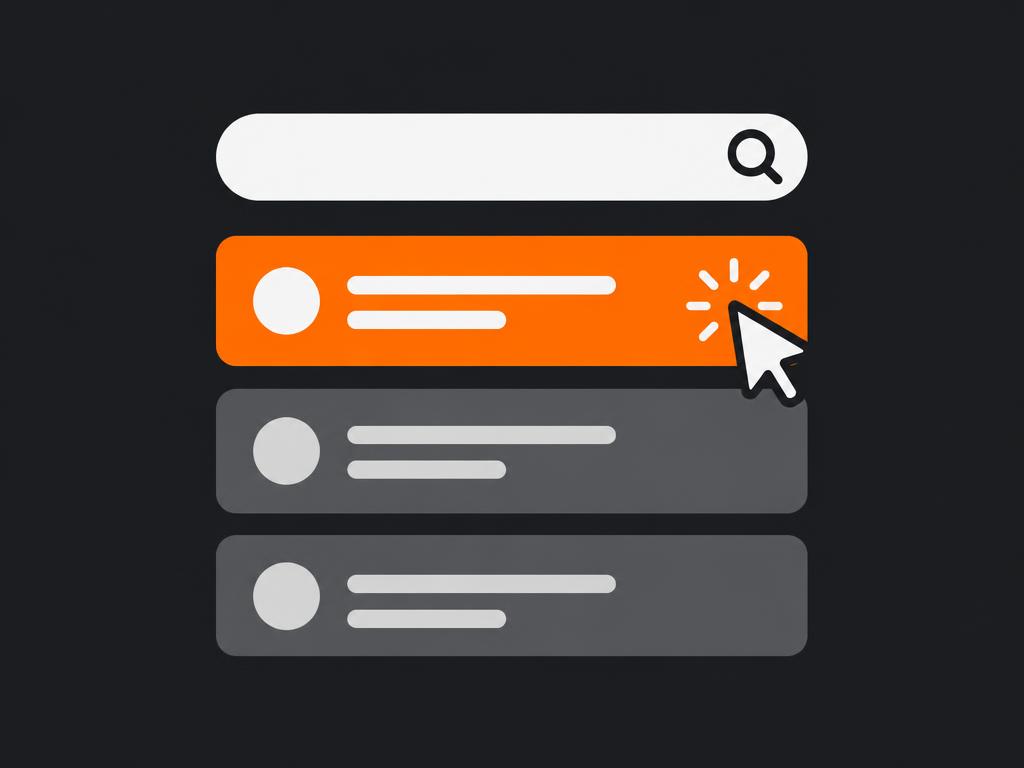
Search results with a top ad being clicked
How it works

From their search to your schedule.

  1. Step 1

    Homeowner searches for the job

  2. Step 2

    Clicks your ad

  3. Step 3

    Lands on a page built for that job

  4. Step 4

    Calls or fills the form

  5. Step 5

    Job gets booked

At a glance

Google PPC (Search Ads)

Buy the exact searches you want.

Traditional Search targets high-intent queries like 'AC repair near me', 'panel upgrade cost', or 'kitchen remodel contractor'. Campaigns are segmented by service line, never one bloated catch-all, and every click lands on a page built to convert for that service.

Best for

Trades LSA does not cover, higher-ticket services with real research behind them, and shops that have already maxed out the lead volume LSA can produce.

Watch out

You pay for the click whether or not it turns into a call, so it needs tight negative keywords, call tracking, and a real landing page behind it.

What's included

What we actually do.

  • Campaigns split by service line and urgency
  • Keyword research by trade and market
  • Negative keyword lists built and updated weekly
  • Call assets, location assets, and ad schedules
  • Call tracking and conversion setup
  • Landing pages built for each service
  • Search term reviews every week
  • Monthly cost per booked job reporting
In the weeds

How it really works. And what we do about it.

01

Campaigns split by urgency, not one catch-all

We build separate campaigns for emergency work ('no heat', 'burst pipe', 'emergency electrician'), planned installs ('AC replacement', 'panel upgrade', 'water heater install'), and maintenance ('furnace tune-up'). Each one gets its own budget, ads, and landing page.

Emergency campaigns run around the clock with call-focused ads if you can answer at night. Planned work campaigns send people to a page with reviews, financing and a quote form, because those buyers compare before they call.
02

Match types and the search terms report

Broad match lets Google show your ad for searches it thinks are related, and for trades that often means DIY questions, job seekers, and parts shoppers. We lean on phrase and exact match for core services, and only open up broad match once conversion tracking is feeding Google good data.

Every week we read the search terms report, the list of what people actually typed, and add the junk to your negative keyword list.

03

Location settings that match where your trucks go

By default, Google can show your ad to people 'interested in' your area, not just people in it. We switch targeting to people located in your service area and draw it around the zip codes your crews actually work.

We also set ad schedules so your budget doesn't run out by 10 AM, and pull back spend during hours nobody can answer.

How this service works
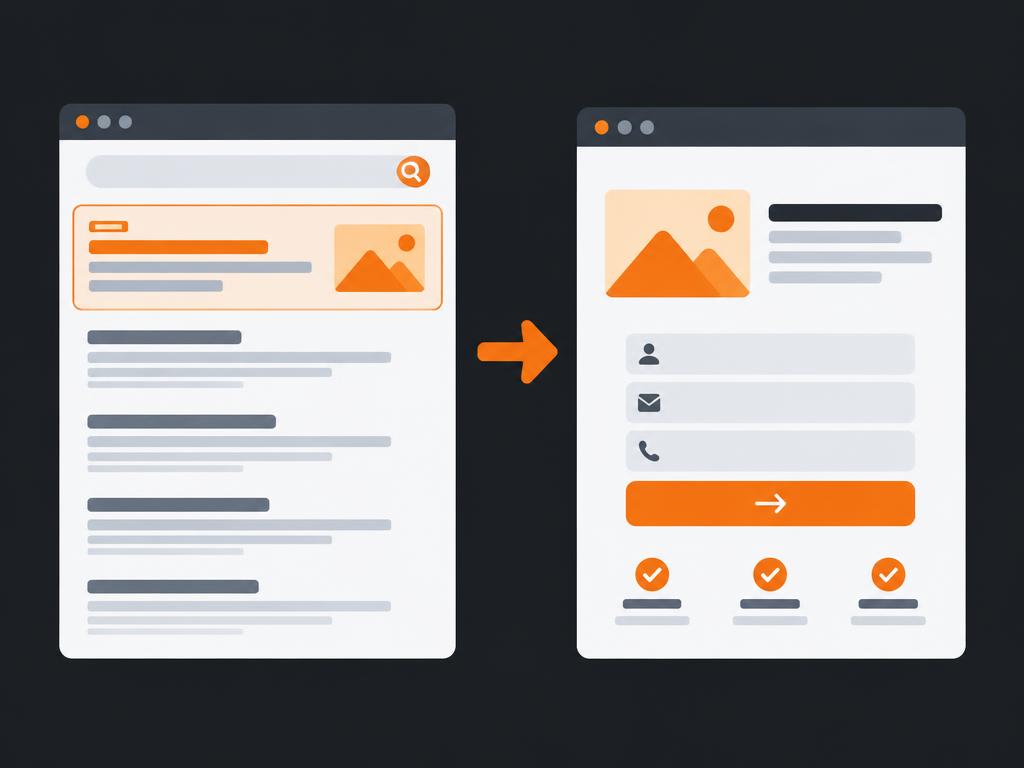
The ad and the page it lands on make the same promise, so the call happens.
04

Tracking calls, not just clicks

Clicks don't pay bills. We set up call tracking so Google knows which calls came from which ad and how long they lasted, plus form tracking on the landing page. Where your CRM or field software allows it, we send booked jobs back to Google so the bidding learns what a real customer looks like.

That's the difference between an account that gets cheaper clicks and one that gets cheaper booked jobs.

05

The landing page does half the work

Each campaign sends traffic to a page about that one service: a headline that matches the search, a click-to-call button at the top, real job photos, reviews, the towns you serve, and one clear next step. No menus pulling people away.

Book a discovery callFree 30-min call. A clear next step either way.
Which channel is right for you

Start where the intent already is.

If people are already searching for what you do, buy that search. If they are not, you have to create the reason. Here is how the three paid channels stack up side by side.

Google LSAGoogle PPCMeta Ads
What you pay forPer qualified leadPer clickPer impression or click
Buyer intentHighest, ready to book nowHigh, actively searchingLow to medium, you create the reason
Speed to first leadDays, once verifiedDaysWeeks, needs creative and learning
Best fit workEmergency and urgent callsResearched and higher-ticket jobsSeasonal, promo, replacement, recruiting
Where it falls flatCapped volume, not every trade qualifiesWasted clicks without tight targetingTrue emergency demand
Needs a landing pageNo, leads come through GoogleYesYes
How we decide with you

One channel first. Layer the next when it earns it.

We would rather run one channel that produces booked jobs than three that produce a nice-looking report. On the discovery call we work through your trade, your market, and your numbers, then pick the starting point together.

  1. 01

    Your trade and job mix

    Emergency work, planned work, or a split. This alone rules one or two channels in or out.

  2. 02

    LSA eligibility

    We check whether your category and market qualify, and what lead volume is realistically available.

  3. 03

    Market size and ticket

    A small market with high ticket work is a different plan than a metro with high volume and thin margins.

  4. 04

    Current lead flow

    Where jobs come from today, what your Google Business Profile looks like, and what is already working before we add spend.

  5. 05

    Launch one, then layer

    We turn on the best-fit channel, track cost per booked job, and only add the next channel once the first is producing or capped.

How we run it

Our process, step by step.

  1. 01

    Research the market

    Keyword volume, cost per click, and competitors in your service area, by service line.

  2. 02

    Build and track

    Campaigns, negative lists, call assets, landing pages, and conversion tracking all set up before launch.

  3. 03

    Launch tight

    Phrase and exact match on core services, people-in-area targeting, and schedules that match your phones.

  4. 04

    Cut and scale

    Weekly search term cleanup, then budget moves toward the campaigns with the lowest cost per booked job.

Mistakes we fix

What we find when we take over.

  • One campaign for every service, so cheap tune-up clicks eat the install budget.
  • Broad match with no negatives, paying for 'plumber salary' and 'how to fix a leaky faucet'.
  • Location set to 'interested in' instead of 'located in', showing ads three states away.
  • Ads pointed at the homepage with no phone number above the fold.
  • No call tracking, so nobody knows which keywords book jobs.
FAQ

Straight answers.

Why not just run one campaign for everything?

Because emergency repair, planned installs, and maintenance searches behave differently. They cost different amounts, convert at different rates, and need different landing pages. Splitting them lets us put budget where the booked jobs are.

What's a negative keyword?

A search you tell Google never to show your ad for. For trades that's things like 'jobs', 'salary', 'DIY', 'how to', 'parts', 'free', and services you don't offer. A good negative list is one of the fastest ways to stop wasted spend.

Do you count form fills or phone calls?

Both, but we care most about calls, because that's how most homeowners book. We track calls from the ad, calls from the website, and forms, then tie them back to booked jobs where your software allows it.

Should I use Performance Max?

Not as your first campaign. Performance Max hides much of where your money goes. We start with Search so we can see every search term, then test other campaign types once tracking is solid.

How much should I spend?

Enough to get real data in your market. We'll look at cost per click in your area on the discovery call and tell you honestly whether your budget can compete.

Do I need a landing page?

Yes. Sending paid clicks to a homepage wastes money. Each campaign gets a page built for that service with your phone number, reviews, service area, and a clear offer.

Ready to get the phone ringing?

Book a call and we'll tell you honestly whether this is the right place to start.

Book a discovery callFree 30-min call. A clear next step either way.