
Landscaping and hardscape contractor, Texas
From an owner-built site to one that actually converts.
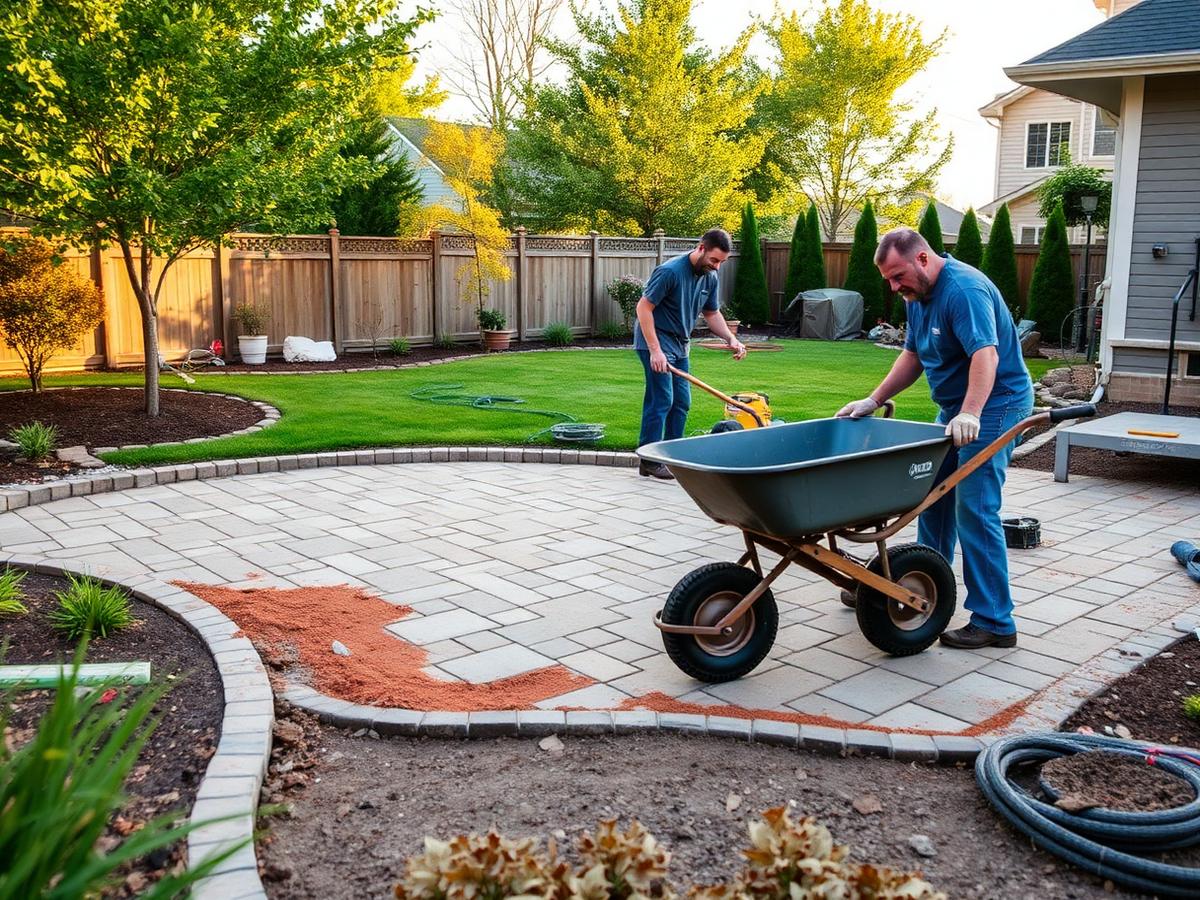
The owner built the original website himself over a couple of weekends, and honestly it was not a bad effort. It had photos, a phone number, and a contact form. What it did not have was any reason for a stranger to trust it, any structure a search engine could understand, or any path from a phone screen to a booked estimate. Those three gaps are what separate a website you own from a website that works.
Client name withheld under NDA. Details anonymized.
The situation
The company was doing solid hardscape and design work at good ticket sizes, but almost every job came from referrals and yard signs. Web traffic existed, mostly from the Google Business Profile, and almost none of it turned into anything. On a phone, the site took a long time to load, the phone number was not tappable, and the gallery was a single long scroll of unsorted photos with no captions.
- Slow load times on mobile, where the overwhelming majority of traffic arrived.
- Phone number displayed as plain text, not a tap-to-call link.
- One long unsorted photo gallery instead of organized project pages.
- No service pages, so the site could not rank for patio, retaining wall, or outdoor kitchen searches.
- No service area pages, so nearby towns never saw the business in local results.
- Contact form submissions going to an inbox nobody monitored during the day.
What we built
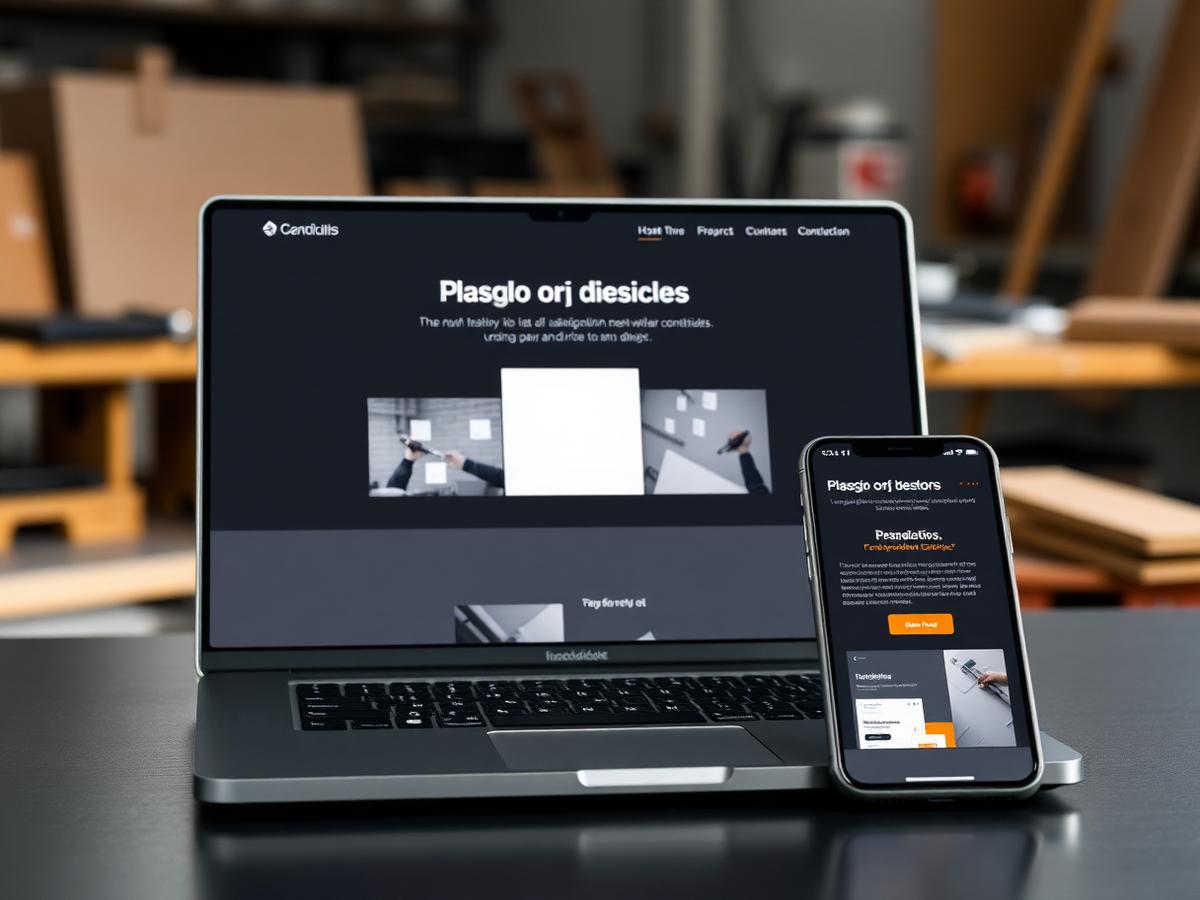
We rebuilt the site around how a homeowner actually shops for hardscape work: they look at finished projects near them, they check whether the company does their specific job type, then they reach out from their phone. That meant a page per service, a page per core service area, and a project portfolio organized by job type with real captions and pricing context. Speed and mobile call paths were treated as features, not afterthoughts, and every form and call click was tracked so the owner could see what was actually producing.
- Full rebuild on a fast modern stack, optimized for mobile first.
- Dedicated service pages for patios, retaining walls, outdoor kitchens, drainage, and design.
- Service area pages for each core town, with real local project examples.
- Project portfolio organized by job type, with captions, materials, and scope notes.
- Tap-to-call buttons and a sticky mobile call bar on every page.
- Estimate request form routed to a monitored inbox with instant confirmation.
- Call click and form submission tracking so lead sources are visible, not guessed.
The result
The site went from a business card to a sales asset. Organic visibility grew as the service and service area pages started matching searches the old single-page site could never have matched. On the conversion side, the difference was immediate: with tap-to-call and a fast mobile experience, the same traffic started producing contacts. The owner also stopped guessing, because for the first time he could see which pages and which towns were producing estimate requests.
- Mobile load time cut dramatically, with a measurable drop in bounce.
- Contact rate from existing traffic improved sharply after tap-to-call and form fixes.
- Organic impressions grew as service and service area pages were indexed.
- Estimate requests began arriving from towns the business had never marketed in.
- Higher average job value as the portfolio pages showcased larger hardscape scopes.
- Clear reporting on which pages and towns drive estimate requests.

Is your website costing you jobs?
45-minute discovery call. We will open your site on a phone and walk it together.
Book a discovery call